

Powered by GB IPTV UK
What Is the Low Block in Football?
When a team defends deep inside their own third, they form a tight structure designed to deny space. This defensive shape is known as the low block in football. The aim isn’t to win the ball high up the pitch. Instead, the defending side prioritises compact lines, keeping their centre-backs close to the penalty box and forcing the opposition wide.
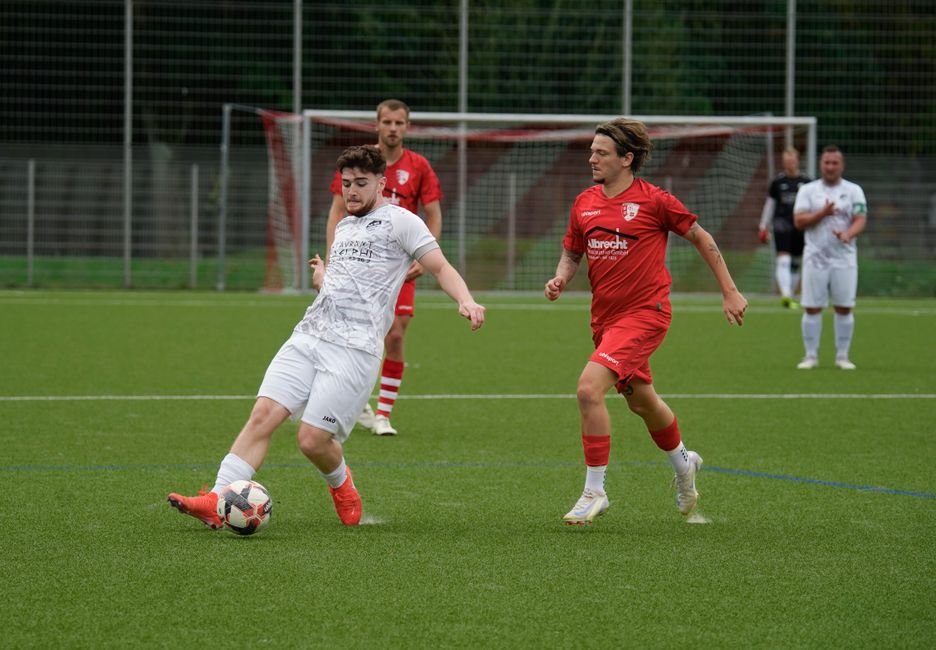
Smaller clubs in the Premier League often use this system against dominant opponents. By crowding the central areas, they reduce the risk of through-balls and cut-backs. But setting up this way requires total concentration. One lapse in positional discipline can collapse the entire structure.
A successful low block relies on communication. Defenders must move as a single unit, shifting left and right based on where the ball goes. The mid-block sits higher up the pitch near the halfway line, while a high press attacks the ball immediately. A deep defensive shape sits right on top of its own penalty area.
Why Managers Choose a Deep Defensive Line
Managers choose this approach for practical reasons. If your team lacks foot speed in defense, playing a high line is risky. Fast wingers will exploit space behind slow defenders. Dropping deep eliminates that danger instantly.
Tactical matchups also dictate this setup. When visiting stadium fortresses against elite passing sides, controlling possession is unlikely. Absorbing pressure becomes the main strategy. It allows underdog teams to stay competitive against squads with much larger budgets.
- Denies central space to playmakers and attacking midfielders.
- Protects slow central defenders from being exposed in footraces.
- Creates space behind the opposition’s high line for fast counter-attacks.
- Reduces the danger of direct through-balls behind the backline.
Counter-attacking is a vital part of this strategy. Once the defending team wins the ball back, they strike quickly. Long passes to a fast winger or a physical centre-forward bypass the opposition midfield entirely. Two or three quick passes can turn deep defense into a scoring chance within seconds.
How Top Teams Break Down a Low Block in Football
Beating a deep defense is one of the toughest challenges in modern sports. Top managers train their squads specifically to crack these heavy defensive setups. Passing sideways around the penalty box rarely works on its own. Teams need specific tools to disrupt the defensive shape.
Width is essential. Attacking full-backs and wingers must stretch the pitch as wide as possible. This forces the defending full-backs away from their central defenders, creating small gaps in the defensive line. Quick ball circulation is just as crucial. If passing is slow, defenders easily shift across and cover the space.
Overloads and Half-Space Runs
Elite teams often create numerical overloads in specific areas. An attacking midfielder, a winger, and an overlapping full-back might isolate a single defending full-back. This forces a central midfielder to track back and cover, which breaks the defensive structure.
Underlapping runs into the half-spaces also disrupt deep defenders. When a player makes a run between the full-back and centre-back, someone has to make a quick decision. If the centre-back steps out to follow the run, a passing lane opens up inside the box. If no one tracks the runner, a simple pass leads to an immediate shot on goal.
Long-Range Shots and Set Pieces
When short passes fail to break the low block in football, alternative tactics become vital. Long-range strikes force defenders to step out of their penalty box to close down shooters. The moment a defender steps forward, space opens up behind them for attackers to exploit.
Set pieces offer another reliable route to goal. Free kicks and corners level the playing field. Teams defending deep often concede numerous corners while clearing their lines. A well-drilled corner routine can unpick ninety minutes of solid defensive work in a single instant.
The Risks and Demands of Defending Deep
Defending near your own goal carries constant danger. A single misjudged tackle inside the box results in a penalty kick. Deflections on shots from distance can easily trick a goalkeeper. Referees also punish handball incidents severely inside crowded penalty areas.
Physical fatigue poses another huge problem. Playing without the ball forces players to run constantly, shifting side to side for long stretches. Mental fatigue is even more dangerous. Concentrating for ninety minutes while constantly under pressure drains a squad completely.
If a team concedes an early goal while set up to defend deep, their main strategy falls apart. They must abandon their defensive shape and attack, often without the tactical preparation or player profiles suited for dominant possession. That is why managing game state is critical when using a low block in football.
Finding the Right Balance
Modern football tactical trends move fast, but the deep defensive shape remains a fundamental tactical tool. It isn’t just a tactic for struggling teams fighting relegation. World-class managers regularly deploy it late in matches to protect a narrow lead in knockout competitions.
Executing a deep block effectively takes discipline, clear coaching, and high fitness levels. Breaking one down requires patience, spatial awareness, and clinical execution. Watching these contrasting tactical styles clash remains one of the most fascinating aspects of top-level football match strategy.
For more information, visit our website.
Related reading
- How UFC Southpaws Destroy Orthodox Fighters: Stance Switches, Angles, and Striking Tactics
- Premier League Stoppage Time Rules: How Referees Are Changing Match Length
Leave a Reply