

Powered by GB IPTV UK
The Demands of the Expanded European Calendar
Top English clubs face an intense autumn. European football changed its format, adding two mandatory matches to the opening stage. Teams no longer play six group games before Christmas. They play eight under the single-league system. That extra workload creates serious physical pressure for squads aiming for domestic and continental success.
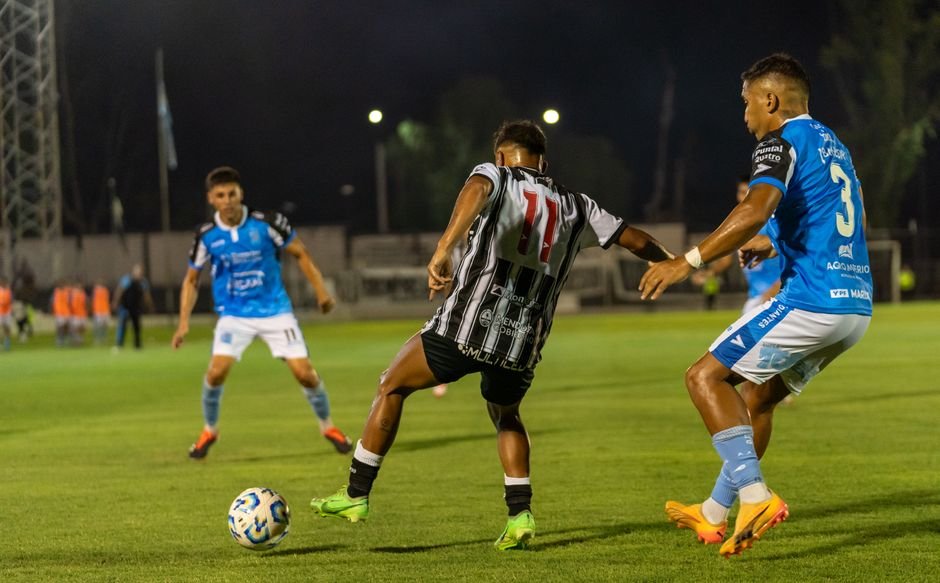
For UK football fans tuning in to watch their team, the relentless schedule is obvious. midweek games blend straight into Saturday early kick-offs. squad depth is no longer a luxury for managers. It is essential for survival.
Understanding the Physical Toll of Extra European Games
High-intensity sprinting drops when players cross the threshold of 450 minutes of action inside three weeks. Sports science staff at top Premier League clubs track heart rate variability, sleep quality, and muscular fatigue closely. The extra travel miles compound these issues. Flying back from Eastern Europe on a Thursday morning leaves barely 48 hours to recover before a domestic fixture.
Muscular injuries spike during November and December. Soft tissue strains, particularly hamstrings and adductors, occur most when players lack full glycogen recovery between games. When coaches cannot execute full tactical sessions on the training pitch, defensive organization often suffers during late match phases.
Rotation Tactics: How Managers Are Adapting
Coaches use distinct strategies to survive the heavy calendar. Some prefer micro-rotation, swapping two or three players every match to maintain overall baseline fitness. Others pick a fixed starting lineup for European nights and make five changes for domestic games against lower-half opposition.
- Early substitutions: Pulling key attackers after 60 minutes when a match is controlled.
- Position shifts: Moving versatile players into less physically demanding roles mid-game.
- Targeted resting: Leaving high-workrate full-backs out of long travel squads completely.
The tactical trade-off is clear. Constant changes break up natural player combinations on the pitch. Automatic passing lanes take longer to establish when the starting eleven changes constantly.
Bench Depth and the Five-Substitution Rule
The five-substitute rule gives managers significant tactical leverage to combat fatigue. Fresh legs in the final thirty minutes often decide matches against opponents running on empty. Squads with elite international options on the bench hold a clear advantage over teams relying on academy prospects to fill out their matchday sheets.
Data shows that teams using all five available changes late in matches maintain higher overall pressing metrics. Teams that delay their changes routinely drop points in the final ten minutes due to defensive lapses caused by mental tiredness.
Impact on Domestic Title and Top-Four Races
The extra European matches disrupt domestic rhythm. Clubs competing in lower tier European events often face tricky Sunday afternoon kick-offs, leaving them chasing points behind league leaders who enjoy clean weekly preparations.
Depth across the entire 25-man squad decides who stays in the title race come spring. A single long-term injury to a primary playmaker can derail a campaign when games arrive every three days. Clubs with balanced rosters will likely pull away as the winter schedule takes its toll on smaller squads.
For more information, visit our website.
Related reading
- How UFC Fight Camps Work: Training, Sparring, and Preparation Explained
- How Premier League Profit and Sustainability Rules Work: PSR Limits, Losses and Penalties Explained
Leave a Reply