

Powered by GB IPTV UK
The Philosophy Behind Counter-Pressing
When Jurgen Klopp brought his high-intensity style to Liverpool, Premier League teams scrambled for answers. Football coaches call it counter-pressing. The idea is simple: hunt the ball down the instant you lose it, high up the pitch, before the opponent can build an attack. Instead of retreating into a defensive shape, your attackers turn into the first line of defence.
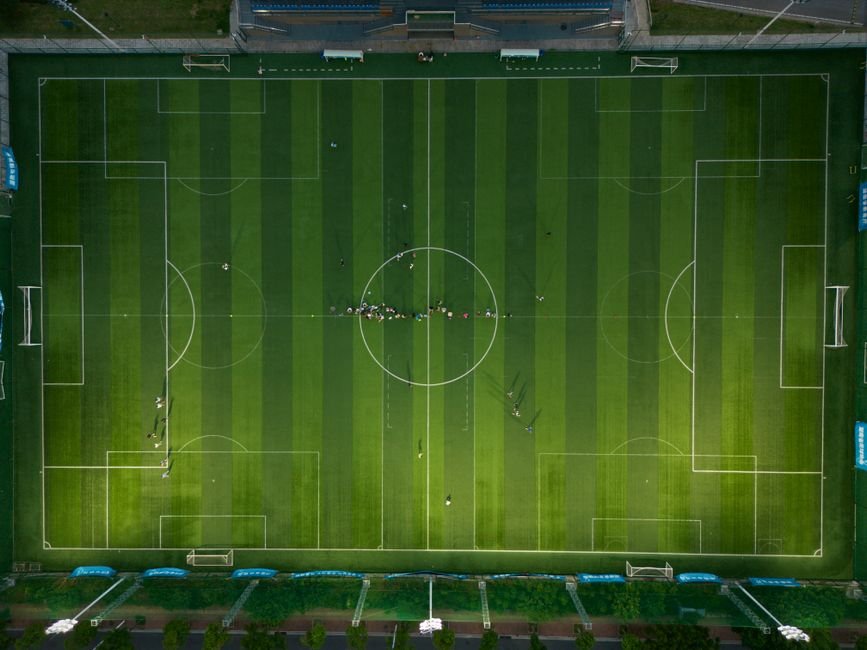
It sounds exhausting, because it is. But when done right, gegenpressing tactics force panicked errors in dangerous areas. A turnover thirty yards from the opponent’s goal creates a far better scoring opportunity than a slow, constructed move from the back. You are catching the other team when they are most vulnerable—just as they open up their shape to attack.
Where Did the High Press Come From?
While modern managers like Pep Guardiola and Thomas Tuchel have adapted these ideas, the roots run deep into European football history. Rinus Michels pioneered Total Football at Ajax in the 1970s, laying the groundwork. Arrigo Sacchi perfected spatial squeezing with AC Milan a decade later, demanding his team move as a single unit without the ball.
Ralf Rangnick reworked these concepts in Germany during the late 1990s and 2000s. He calculated that the best time to regain the ball was within eight seconds of losing it. Klopp took Rangnick’s blueprint, added speed, and turned it into a heavy-metal tactical system that conquered Europe.
Today, almost every top-flight European side uses some form of high-pressing system. It has shifted from a novel tactic into a fundamental requirement for elite football.
How Gegenpressing Tactics Work on the Pitch
Executing a successful press requires total team coordination. If one player stays back while four charge forward, the trap breaks. The opponent simply passes through the gap.
- Triggers: Pressing relies on specific cues. A poor touch, a slow backpass, or a ball played to a weak-footed defender signals the team to jump into action instantly.
- Cover Shadows: Smart pressers do not just run at the ball carrier. They block the passing lane behind them using their shadow, cutting off obvious escape routes.
- Squeezing space: The back line pushes high up to the halfway line, shrinking the playable pitch and suffocating middle options.
It demands incredible physical fitness and intense concentration. A split-second delay in closing down a midfielder allows them to lift their head and launch a counter-attack over your high line.
Beating the High Press: Tactical Counter-Measures
No system is foolproof. As teams adjusted to intense gegenpressing tactics, managers developed clear ways to punish over-aggressive opponents.
Going Direct Over the Top
If the opposition pushes ten players into your half, they leave vast space behind their defence. A goalkeeper or centre-back with strong distribution can bypass the entire pressing unit with one long, targeted ball. Fast forwards who excel at running into channels thrive against this setup.
The Third-Man Run
Pressing teams focus heavily on the player receiving the ball. Clever sides exploit this by using a third-man combination. Player A passes to Player B, who immediately lays it off with a single touch to Player C, who is running into space facing forward. The rapid tempo leaves pressers chasing ghosts.
Overloading One Side to Switch Play
Counter-pressers naturally tilt the pitch, trapping the ball against the touchline. Calm teams draw the press in by making short passes on one flank, then suddenly switch play to a wide winger isolated on the opposite side. Suddenly, the pressing team has to run fifty yards back across the pitch to recover.
Why Modern Teams Are Evolving Their Press
Playing full-throttle football for ten months straight takes a heavy physical toll. Hamstring injuries spike when squads try to sprint relentlessly every three days. Because of this, modern coaches rarely ask their players to press non-stop for ninety minutes anymore.
Instead, elite teams use selective pressing. They pick their moments carefully, alternating between high intensity and a mid-block to preserve energy for crucial matches. Winning football today is about knowing when to launch the trap and when to hold your ground.
For more information, visit our website.
Related reading
- How Premier League 3pm TV Blackout Rules Affect UK Football Fans
- How UFC Judges Score Fights: The 10-9 Must System and Scoring Criteria Explained
Leave a Reply