

Powered by GB IPTV UK
The Brutal Reality of Fight Week Weight Cuts
UFC athletes push their bodies to extreme limits long before stepping into the Octagon. The fight behind the fight happens on the scales. Understanding how UFC fighters cut weight reveals a grueling process built on severe fluid manipulation, restricted diets, and intense physical discipline.
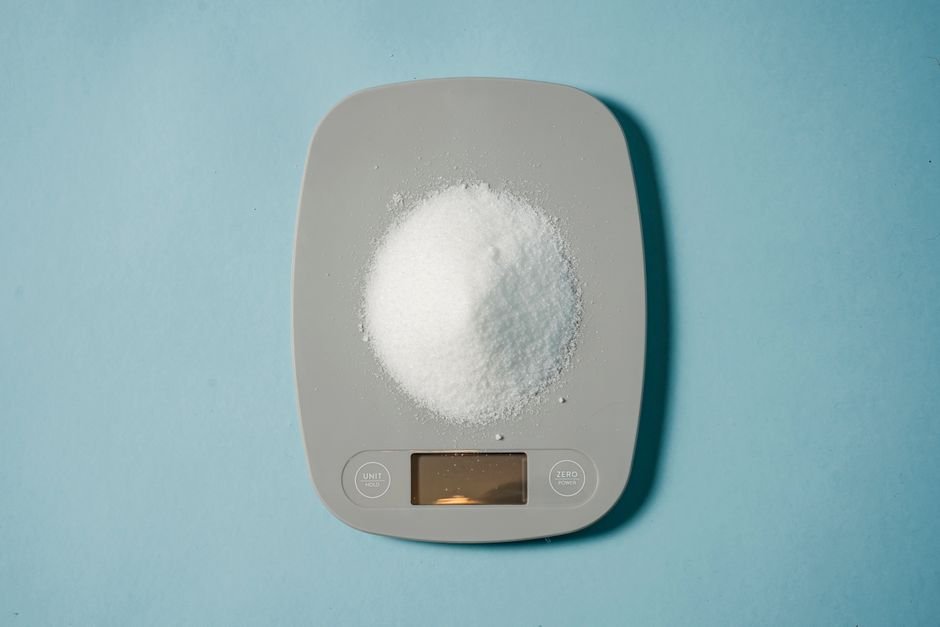
Most mixed martial artists do not walk around at their official division limit. A lightweight fighting at 155 pounds often weighs 170 pounds or more during normal training. In the final days before weigh-ins, fighters shed massive amounts of water weight to gain a physical size advantage over their opponent on fight night.
How UFC Fighters Cut Weight Through Water Manipulation
The core process relies heavily on water loading followed by sudden fluid restriction. Fighters start by drinking massive quantities of water—sometimes up to ten litres a day—for nearly a week. This tricks the kidneys into flushing fluids out rapidly.
Then, about 48 hours before the official scales open, fighters cut off fluid intake almost entirely. Their bodies keep expelling water at a rapid rate despite receiving zero replacement. To drop the final few pounds, athletes strip down and sweat it out in hot saunas, steam rooms, or salt baths.
The Role of Diet and Carbohydrate Depletion
Water isn’t the only target during fight week. Fighters cut out sodium completely because salt holds onto water inside body tissues. They also drop carbohydrates down to near zero.
Carbs store glycogen in the muscles, and every gram of glycogen holds roughly three grams of water. By stripping glycogen stores clean, fighters drop several pounds of pure water weight without losing actual muscle tissue. It is exhausting, uncomfortable, and leaves athletes feeling hollowed out.
The Severe Health Risks of Extreme Weight Cuts
Dehydrating the body to this degree carries serious health dangers. When an athlete strips away fluid, they reduce the protective layer of fluid surrounding the brain. That makes a fighter far more vulnerable to concussions and sudden knockouts when punches land on fight night.
Kidneys take a massive beating during severe weight class cutting. Extreme dehydration causes acute kidney damage, elevated heart rates, and dangerous electrolyte imbalances. High-profile fights regularly get cancelled at the last minute because a fighter’s body simply shuts down during the final hours of a cut, forcing medical staff to step in with emergency IV fluids.
Rehydration: The 30-Hour Race to Recover
Making weight on Friday morning is only half the battle. Once off the official scales, the rehydration process begins instantly. Fighters usually have around 30 hours before walking out into the arena.
They rehydrate carefully using oral rehydration salts, electrolyte drinks, and easily digestible carbohydrates like rice or pasta. Simply drinking plain water isn’t enough; without balanced electrolytes, the body cannot absorb the fluid fast enough. A fighter who executes a successful cut and rehydration protocol can gain 15 to 20 pounds before entering the cage, giving them a distinct size advantage.
UFC Weigh-In Rules and Regulatory Changes
The Ultimate Fighting Championship and official athletic commissions have introduced strict measures to make weight cutting safer for fighters. Morning weigh-ins give athletes maximum time to recover before competing on Saturday night.
Commissions also monitor hydration levels in certain jurisdictions to prevent life-threatening cuts. While discussions about hydration testing or mandatory weight limits continue across MMA, weight cutting remains an ingrained, tactical part of combat sports that every elite fighter must master to compete at the highest level.
For more information, visit our website.
Related reading
- Gegenpressing in Modern Football: Tactics, Origins, and Defeating the High Press
- How Premier League 3pm TV Blackout Rules Affect UK Football Fans
Leave a Reply